Ingredient reality
What actually preserves collagen
Creams cannot rebuild a face, but a few habits and ingredients can slow collagen loss or improve its appearance. Here is where the evidence holds up.
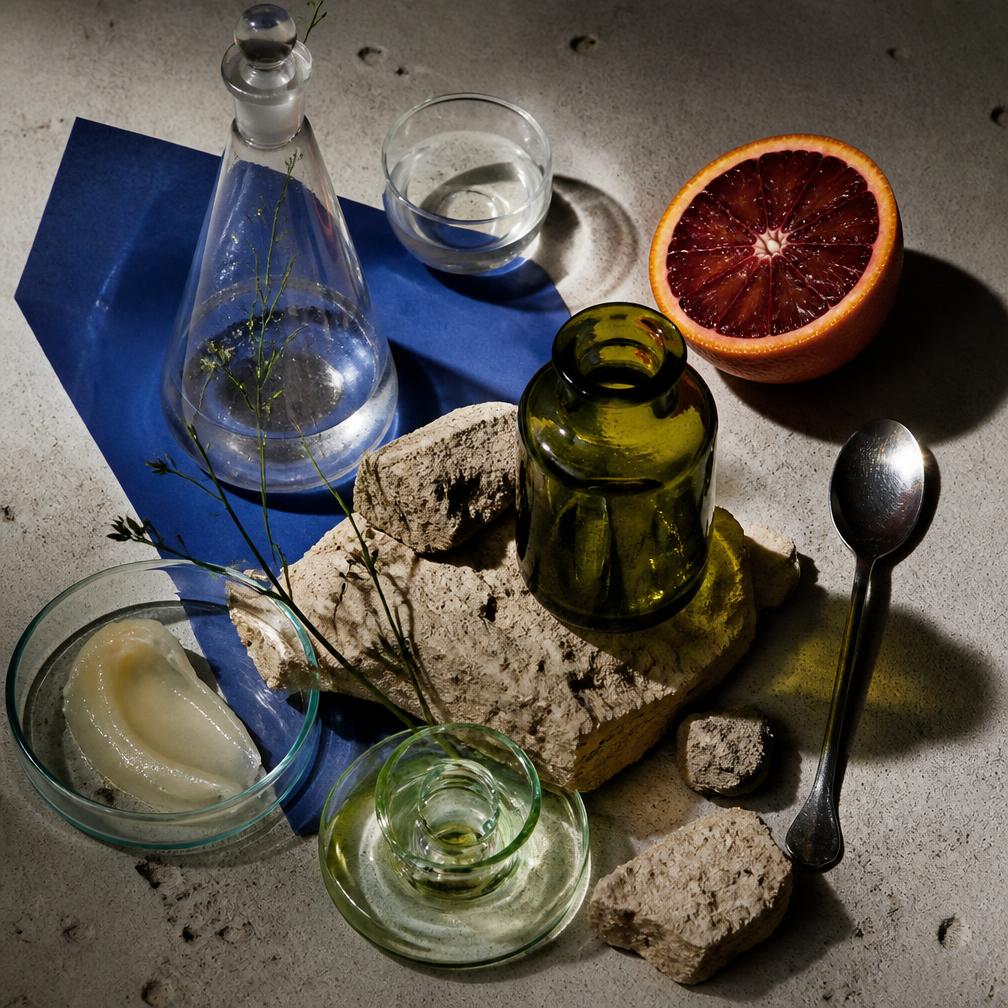
Creams cannot rebuild a face, but a few habits and ingredients can slow collagen loss or improve its appearance. Here is where the evidence holds up.
Start with what breaks collagen down
Collagen gives skin much of its firmness and structural support, but production declines with age while ultraviolet exposure accelerates its breakdown. Smoking and repeated tanning add further damage; genetics, hormones and general health also shape how quickly visible changes appear. This makes daily, broad-spectrum sunscreen the least exciting and most defensible collagen-preserving product available. It does not lift existing laxity or erase established lines. Used consistently, however, it reduces a major preventable source of collagen degradation and the pigmentation and roughness that make ageing skin look more pronounced.
No topical routine can entirely offset years of sun exposure, and sunscreen only works when enough is applied and exposed areas are covered. Hats, shade and avoiding deliberate tanning matter too. The broader lesson is that preservation begins with reducing damage, not buying a cream labelled firming. Adequate sleep, a varied diet with sufficient protein and not smoking support skin health, but should not be presented as facial treatments. They help maintain the conditions in which skin functions; they do not selectively replace lost collagen in the cheeks or jawline.
“The most credible collagen routine is less glamorous than the marketing, but considerably more useful.”
Retinoids have the clearest topical case
Among leave-on ingredients, retinoids have the strongest evidence for improving signs associated with collagen loss and sun damage. Prescription forms generally have the most robust clinical support, while cosmetic retinol products can still be useful but vary in strength, stability and formulation. Results are gradual rather than sculptural: smoother texture, softened fine lines and more even-looking skin are realistic aims. A retinoid cannot reproduce the effect of a procedure, restore facial volume or prevent every biological change. Product claims implying otherwise turn a credible ingredient into an implausible promise.
Tolerance matters more than chasing the highest concentration. Irritation can make skin red, flaky and uncomfortable, undermining both adherence and appearance. Begin slowly, use a modest amount at night and pair it with a plain moisturiser; introduce only one retinoid product at a time. People who are pregnant, trying to conceive or breastfeeding should seek individual clinical advice before use. Vitamin C has supportive evidence as an antioxidant and may complement sun protection, but unstable formulas and grandiose percentages complicate shopping. Consider it an optional supporting product, not the foundation.
Supplements and creams need perspective
Collagen peptides have some evidence for modest improvements in skin hydration and elasticity, yet the overall picture is mixed by product-specific research, short follow-up and commercial involvement. Digested collagen is broken into peptides and amino acids; it does not travel intact to a chosen wrinkle. A supplement may be reasonable for someone who understands the uncertainty, but it should not displace sunscreen, a balanced diet or proven treatment. Powders sold with vague promises of reversing ageing, repairing joints and strengthening hair simultaneously deserve particular scepticism. More claims do not make one tub more effective.
Collagen creams mainly moisturise. Collagen molecules applied to the surface do not simply replace the organised collagen network deeper in skin, although a hydrating formula can temporarily plump fine dehydration lines and improve softness. Peptides are more interesting but remain a varied category rather than a single proven solution; evidence for one formula cannot validate every peptide serum. For visible laxity or deeper wrinkles, professionally delivered procedures may produce larger changes, with greater cost, downtime and risk. The useful home routine remains prosaic: protect, moisturise, add a tolerated retinoid, then judge extras by evidence rather than vocabulary.
Reviewed for accuracy by WT Research Desk