Beauty / Seasonal
What Autumn Actually Does to Your Skin
Your skin is not panicking about the season. It is reacting to colder air, central heating and hotter showers. A few small changes matter more than a whole new routine.
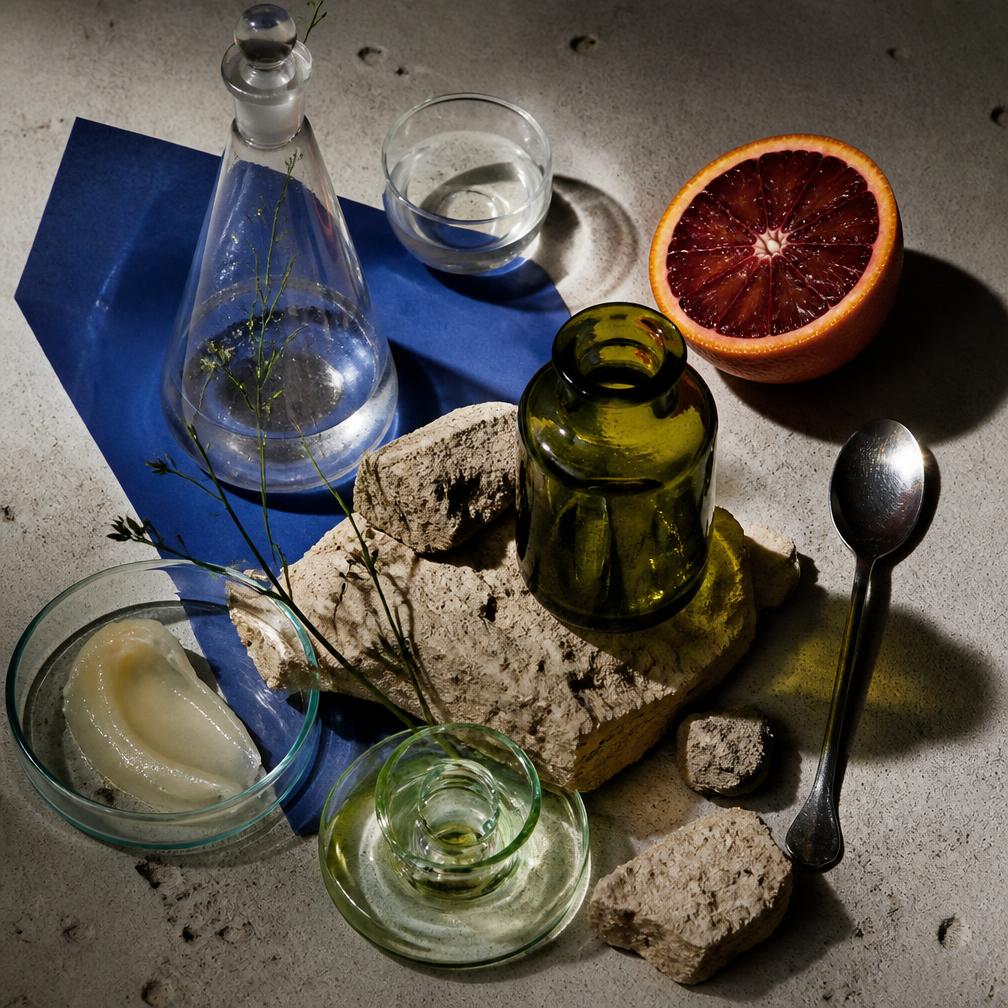
Your skin is not panicking about the season. It is reacting to colder air, central heating and hotter showers. A few small changes matter more than a whole new routine.
It is mostly about dryness
As temperatures drop, the air tends to hold less moisture, and indoors the heating goes on. Dry air pulls water from the skin, which is why many people notice tightness, flaking or dull patches in autumn.
Autumn skin is mostly an indoor problem. The American Academy of Dermatology's advice for dry skin focuses on everyday habits: shorter, warmer rather than hot showers, gentle cleansers, and moisturising straight after washing.
“Autumn skin is mostly an indoor problem.”
Small changes that help
Swap hot showers for warm ones and keep them short. Use a fragrance-free, gentle cleanser. Apply moisturiser within a few minutes of washing, while skin is still slightly damp; creams and ointments are generally more moisturising than light lotions.
A humidifier can help in very dry rooms. Hands and lips usually suffer first, so keep hand cream and a plain lip balm close.
Go easier on actives
Retinoids and exfoliating acids can feel harsher when skin is already dry. You may need to use them less often for a few weeks, or buffer a retinoid with moisturiser. See our piece on the retinol sandwich.
Do not drop sunscreen entirely
UV is lower in autumn and winter, but it is not absent. The NHS advises sun protection when the UV index is moderate or higher, so check the forecast on bright days, and use protection for skiing, travel or long periods outdoors.
When it is more than dryness
Eczema often flares in colder months. If your skin is very itchy, cracked, bleeding or not improving with regular moisturising, see a pharmacist or GP. Effective treatments are available.
Reviewed for accuracy by WT Research Desk