Culture / Essay
When Your Life Starts Feeling Like Content
The restaurant is chosen for the photograph. The holiday is narrated before it happens. Somewhere between memory and performance, a second audience takes a seat.
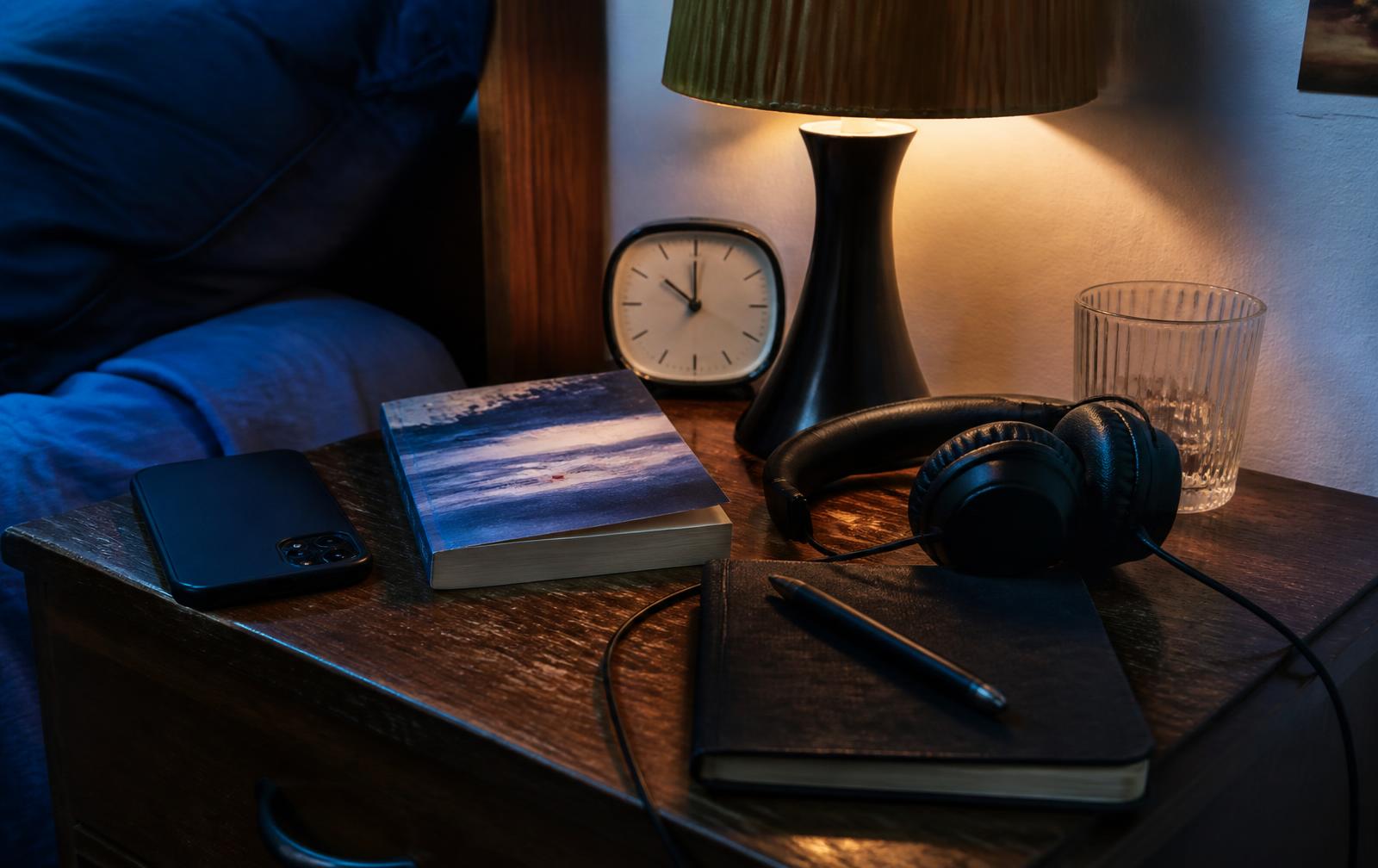
The restaurant is chosen for the photograph. The holiday is narrated before it happens. Somewhere between memory and performance, a second audience takes a seat.
A table for three
You choose the restaurant because the room will look good in a photograph. This is not the whole reason. The food sounds excellent, the friend is loved, the evening is free. But the photograph has entered the decision before dinner has. It is the third guest at the table, already considering the light.
There is nothing especially corrupt about wanting to record a beautiful night. Families have posed at tables for as long as cameras have been portable. A picture can be gratitude with evidence. Sharing can be generous, funny, connective and artistically serious. The change comes when the imagined response arrives early enough to influence the event before you have experienced it.
“The audience can be welcome. It does not need a vote in every decision.”
The second audience
Most of us now live with a second audience. The first is present: the person across from us, the weather, the taste of dinner, the body moving through an actual day. The second is imagined: friends, followers, colleagues, former lovers and a vague public whose approval has no face but considerable influence.
The second audience is not always hostile. It can sharpen attention. A photographer notices colour because she intends to frame it. A writer remembers a phrase because it may become a sentence. The trouble begins when observation becomes advance production, when a life is not only lived and later represented but selected for representability.
Experience, with a monitor attached
The result is a peculiar split. You are swimming and watching yourself be the kind of person who swims there. You are laughing and assessing whether the laugh communicates ease. You are on holiday and assembling proof that the holiday has achieved its emotional brief. Pleasure has acquired a quality-control department.
This can make ordinary life feel underproduced. The lunch that tasted good but photographed badly seems to have failed a second test. The quiet friendship without a public storyline looks less vivid than it feels. A weekend spent exactly as you wanted can seem strangely blank if it produced nothing to post. Content logic rewards clarity, novelty and repetition. A human day is allowed to be obscure, private and badly lit.
Keep the camera, change the order
The answer is not to make privacy another performance or treat every camera as evidence of shallowness. Take the photograph. Send it to the group. Make the reel if making it is part of the pleasure. But notice the order of operations. Did you want the place before you pictured the post? Did the image preserve the evening, or did the evening service the image?
Small experiments reveal the influence. Choose one dinner without checking how the room photographs. Keep one good thing from a trip unposted. Wait until tomorrow to share. Ask what you would wear, order or visit if nobody could see the answer. None of this needs to become a rule. Rules are another way to place a manager inside an experience.
The second audience will not disappear, and perhaps it should not. We make meaning partly by showing one another where we have been. Let the audience arrive after the choice. Let it admire, misunderstand or scroll past. It can be welcome. It does not need a vote in every decision.
Reviewed for accuracy by WT Research Desk
Sources and further reading
- Cultural essay informed by WT reporting on attention, self-presentation and platform design.