Mind / Essay
Why Do We Want to Be Yearned for Again?
After a decade of situationships, read receipts and low-effort texting, the fantasy is no longer being wanted. It is being missed, properly, by someone who cannot quite hide it.
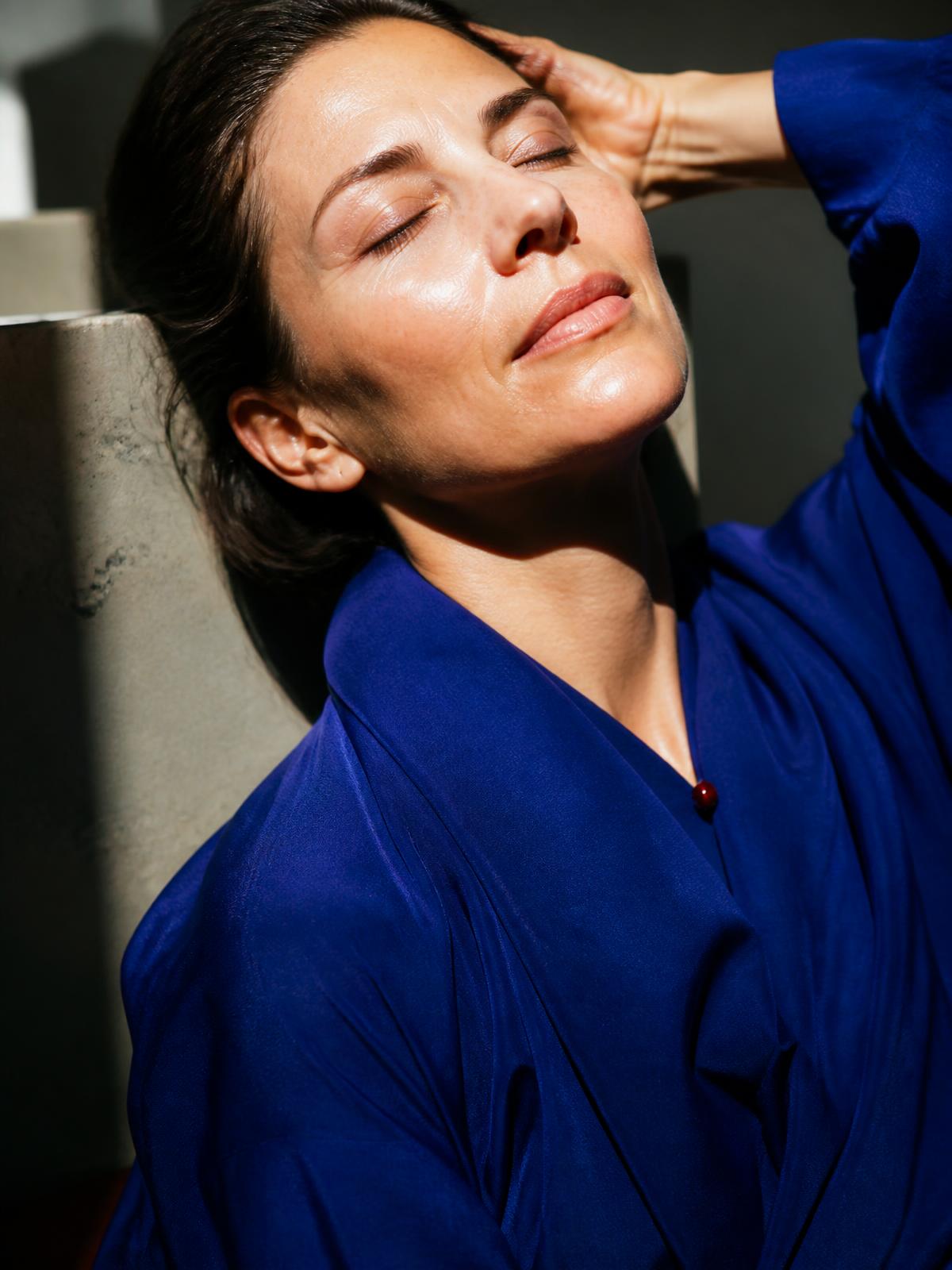
After a decade of situationships, read receipts and low-effort texting, the fantasy is no longer being wanted. It is being missed, properly, by someone who cannot quite hide it.
The word came back for a reason
Yearning used to belong to period dramas, sonnets and people writing letters by candlelight. Now it is all over the internet: in comment sections under slow-burn film scenes, in playlists, in the way people describe what they actually want from a partner. Not a match. Not a vibe. To be yearned for.
Words return when something is missing. Yearning describes a kind of wanting that is patient, specific and a little painful. It is the opposite of the dating culture many people have spent the past decade inside, where interest is signalled with the minimum possible effort and withdrawn without explanation.
The revival of the word tells us less about romance than about fatigue. People are tired of being one option among many, and tired of performing indifference so they do not look too keen.
“Yearning is attention that costs the person giving it something.”
Low effort became the default setting
Apps made meeting people easier and made each individual person feel more replaceable. That is not a moral failing of anyone using them; it is simply what abundance does. When the next profile is always one swipe away, sustained longing becomes harder to justify.
Messaging culture added its own grammar. Reply too quickly and you seem eager. Use full sentences and you seem intense. The safest move, socially, became the smallest one: a reaction, a meme, a late reply. Many relationships now begin in a register designed to protect both people from being seen to care.
Yearning breaks that rule. It is visible effort. It means thinking about someone when they are not there and letting that show.
What people are really asking for
When people say they want to be yearned for, they are rarely asking for drama or obsession. They are asking for evidence of particular attention: that someone noticed a detail, remembered a story, made a plan, travelled across town, waited.
Yearning is attention that costs the person giving it something. Time, pride, the risk of rejection. That cost is the point. It is what separates being wanted from being merely available to someone.
There is also something restful in the idea. To be yearned for is to stop auditioning. The other person has already decided; you are not one tab in an open browser.
The trap inside the fantasy
The fantasy has a shadow. Yearning on screen is often built on distance, obstacles and unavailability, which are not great foundations for a life together. The longing in a slow-burn story usually ends when the couple finally gets together, because the narrative has nowhere left to go.
Wanting to be yearned for can also slide into waiting to be chosen, while doing very little choosing yourself. It puts the effort on the other person and the passivity on us.
And intensity is not the same thing as care. Someone who is consumed by you in week two is not necessarily someone who will turn up in year five.
A better version of the same desire
The useful part of the trend is the standard it sets. It is reasonable to want a partner who makes an effort, who shows interest plainly, who does not treat warmth as weakness. It is reasonable to stop accepting crumbs and calling it chemistry.
The more grown-up form of yearning may be quieter: continued curiosity about someone you already have. Asking a real question. Planning something because you thought of them. Missing them and saying so.
If the culture is swinging back towards visible feeling, that is no bad thing. The trick is to give the kind of attention we are hoping to receive.
Reviewed for accuracy by WT Editorial Desk