Supplements / Evidence
Creatine for Women: Worth Your Money?
Creatine has moved from the gym-bro shelf to wellness feeds aimed squarely at women. The evidence for it is unusually solid for a supplement. The marketing has still run ahead of it.
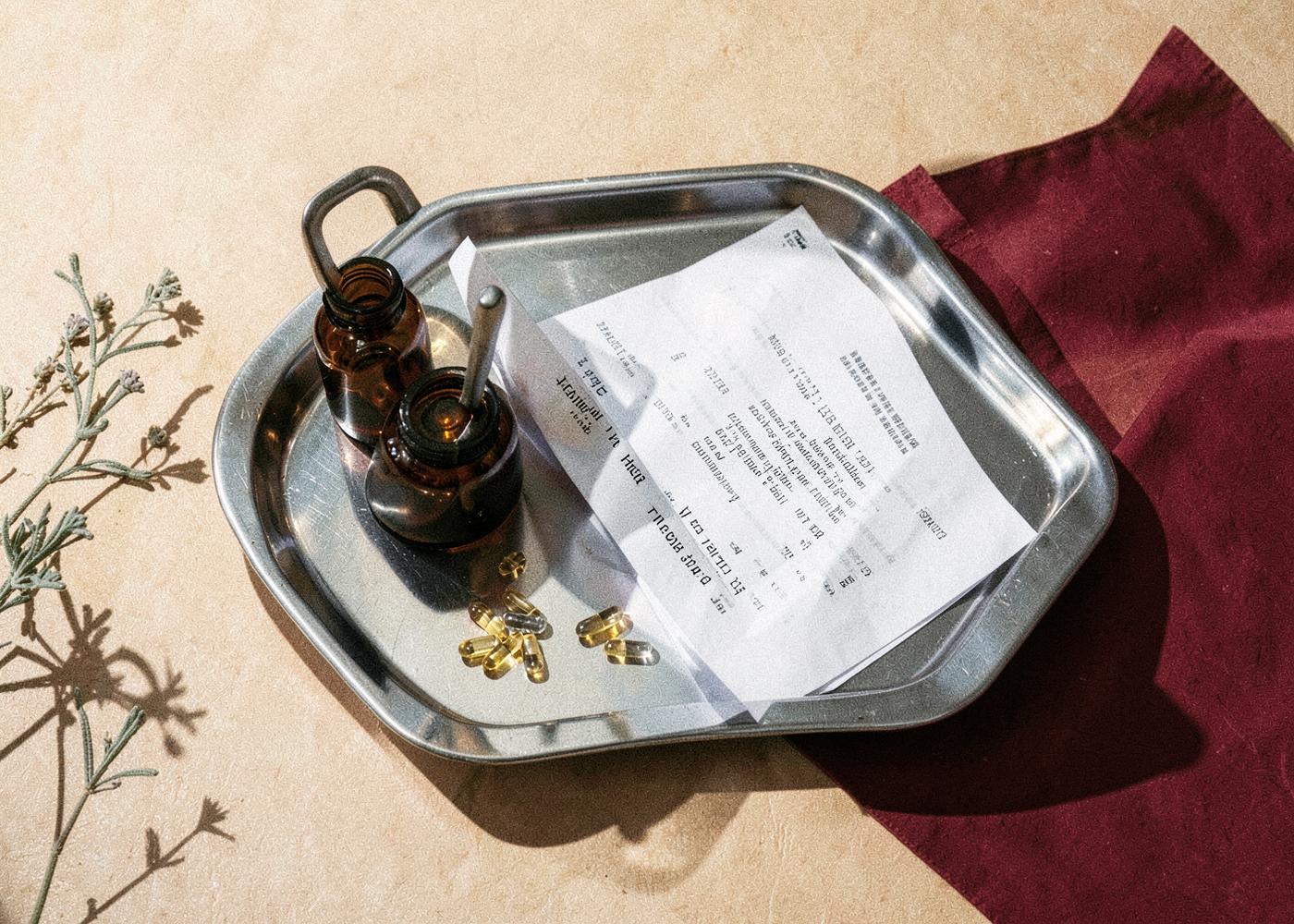
Creatine has moved from the gym-bro shelf to wellness feeds aimed squarely at women. The evidence for it is unusually solid for a supplement. The marketing has still run ahead of it.
Why everyone is suddenly talking about it
For years creatine was marketed almost entirely to young men trying to bulk up. Now it is sold in pastel tubs and gummies, with promises about energy, brain fog, ageing and menopause.
The pivot is not baseless. Creatine is among the most researched supplements available. But a strong evidence base for one use does not automatically extend to every claim on the label.
“One of the best-studied supplements on the shelf, sold with claims it has not earned yet.”
What the evidence supports
The International Society of Sports Nutrition's position stand describes creatine monohydrate as the most effective nutritional supplement currently available for increasing high-intensity exercise capacity and lean body mass during training. It also concludes that it is safe for healthy people at recommended doses when used appropriately.
Much of that research was done in men, but a 2021 review of creatine in women's health, published in Nutrients, argued that women may benefit too and highlighted particular interest across life stages, including later life when maintaining muscle becomes more important.
The key word is training. Creatine helps you get more out of resistance or high-intensity exercise. It does not build muscle on its own.
What is still emerging
Claims about mood, cognition, bone health and menopause are where the marketing outpaces the science. The Nutrients review treats these as promising areas that need more and better research in women, not settled benefits.
If a product promises to fix brain fog or balance hormones, treat that as copywriting, not evidence.
Common worries
Weight gain: creatine can increase water stored in muscle, so the scale may move slightly early on. That is not fat gain.
Bulking: you will not look dramatically different from creatine alone. Muscle comes from training and food.
Safety: the ISSN position stand finds no convincing evidence of harm in healthy people at recommended doses. People with kidney disease, those who are pregnant or breastfeeding, and anyone on regular medication should check with a doctor first.
Is it worth your money?
If you do regular strength or high-intensity training and want a modest edge, creatine monohydrate is one of the few supplements with a strong case. Plain monohydrate is typically the cheapest form and the best studied; premium forms have not been shown to work better.
If you do not train, or you are buying it for unproven claims, your money is better spent elsewhere. See our Creatine Edit for how to choose a product without being upsold.
Reviewed for accuracy by WT Research Desk